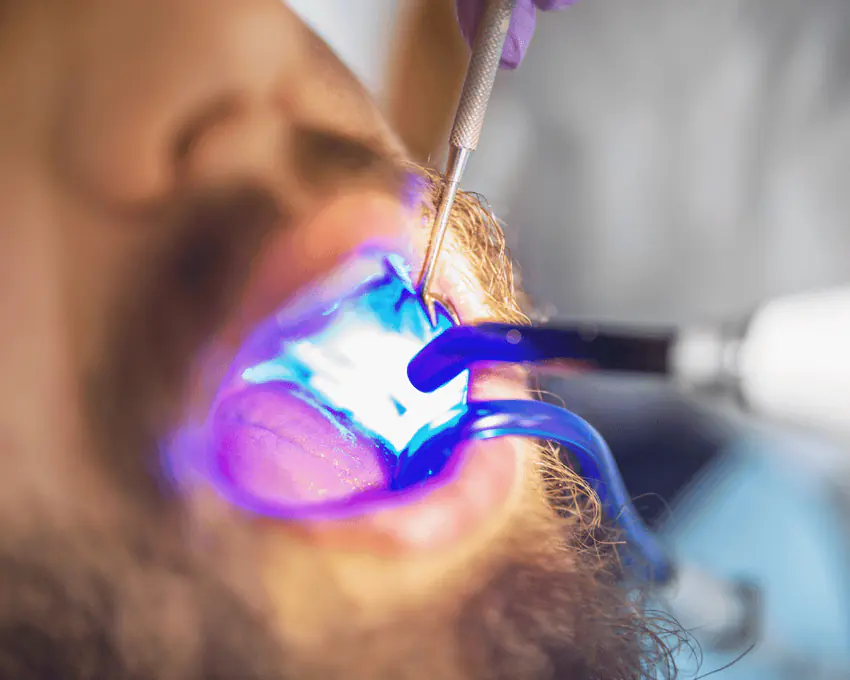
Tooth Sensitivity Treatment in Woodridge, IL
Tooth sensitivity treatment in Woodridge starts by finding the cause, such as worn enamel, gum recession, cavities, leaking fillings, grinding, or exposed dentin.
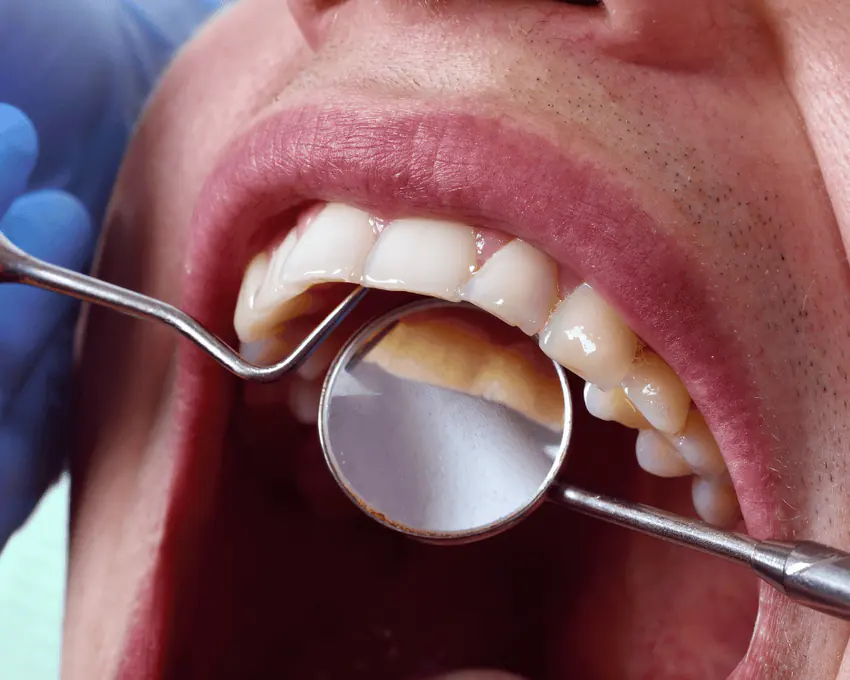
What the office checks and protects
Tooth sensitivity treatment in Woodridge starts by finding the cause, such as worn enamel, gum recession, cavities, leaking fillings, grinding, or exposed dentin.
Exam to identify enamel wear, gum recession, decay, cracks, or worn fillings
Fluoride or desensitizing recommendations when appropriate
Replacement of worn restorations or bonding for exposed areas when needed
Night guard discussion for grinding or clenching
What this helps patients avoid
Reduce discomfort with hot, cold, sweet, acidic, or pressure triggers
Protect weakened enamel and exposed root surfaces
Identify cavities or cracks before they worsen
Improve comfort while eating, drinking, brushing, and flossing
How prevention is planned
The visit is built around risk, symptoms, age, and what has changed since the last exam.
Discuss when sensitivity happens and what triggers it
Examine teeth, gums, fillings, bite, and X-rays when needed
Treat the cause with preventive or restorative care
Review home-care tips to limit future sensitivity
Reasons to ask about this preventive option
These symptoms and situations are common reasons patients ask Urban Dental Care about tooth sensitivity.
Sensitivity makes eating, drinking, brushing, or flossing uncomfortable.
Pain is sharp, persistent, or isolated to one tooth.
You grind, clench, brush aggressively, or consume acidic foods often.
Questions before booking
Treatment depends on the cause and may include fluoride, desensitizing toothpaste, replacing worn fillings, bonding exposed roots, a custom night guard, or restorative care.
Schedule an evaluation if sensitivity is new, persistent, severe, or triggered by normal eating, drinking, brushing, or flossing.
Sensitivity can worsen and may signal decay, cracks, worn enamel, gum recession, or grinding, so early evaluation can prevent larger treatment needs.