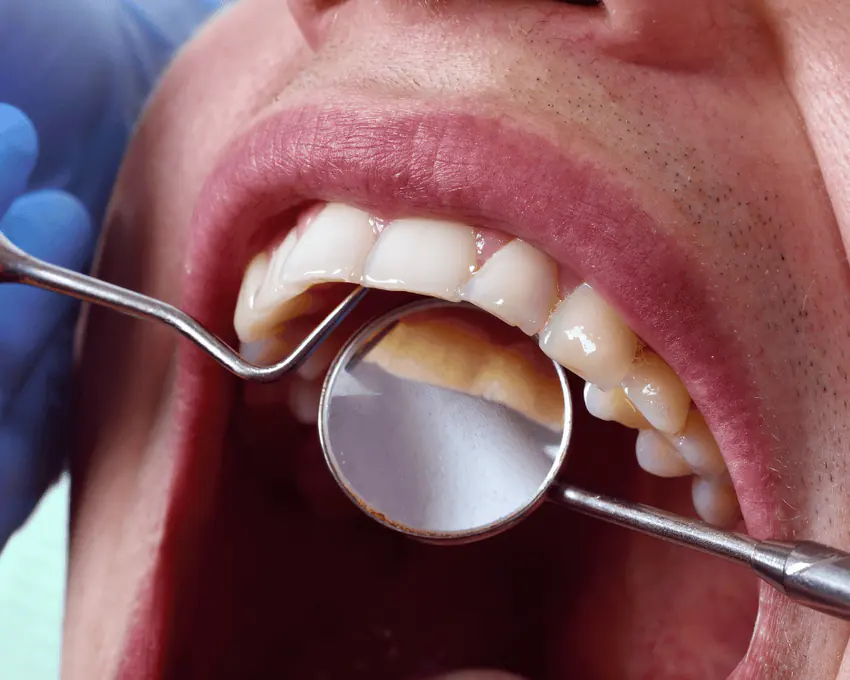
Oral Cancer Screening in Woodridge, IL
Oral cancer screenings in Woodridge are quick, painless exams of the lips, tongue, cheeks, gums, palate, throat, and surrounding tissues for suspicious changes.
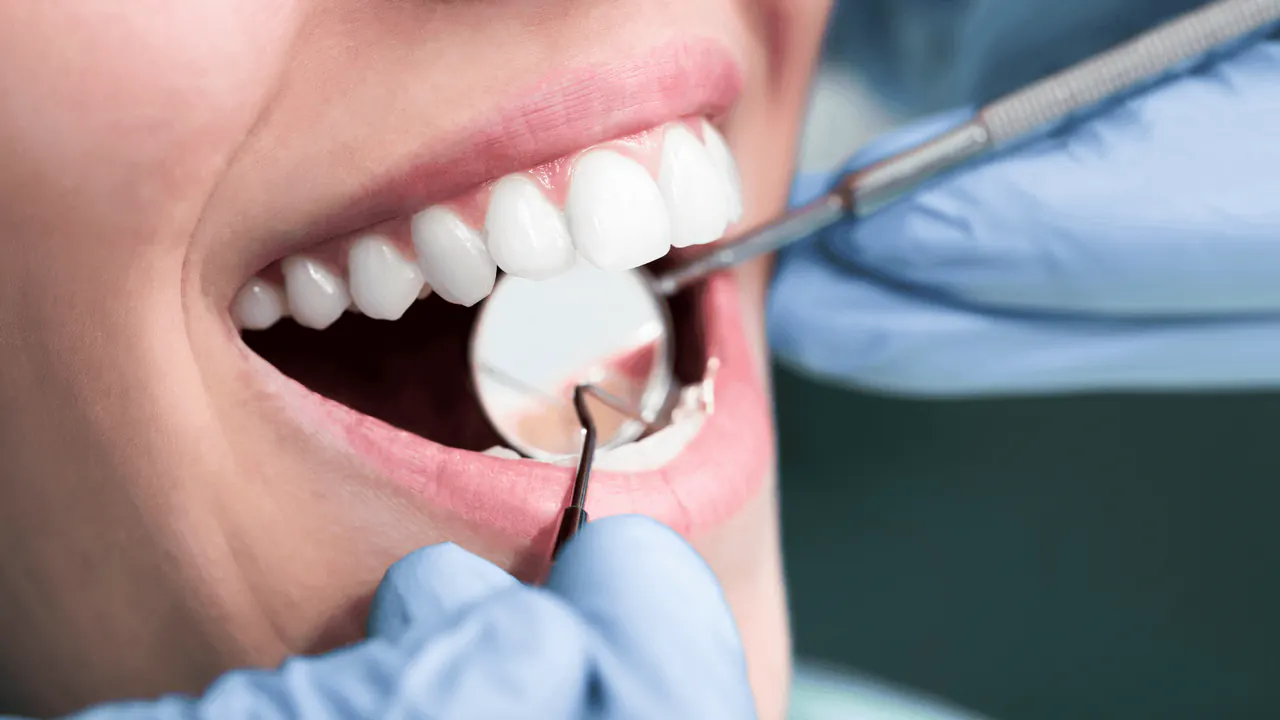
What the office checks and protects
Oral cancer screenings in Woodridge are quick, painless exams of the lips, tongue, cheeks, gums, palate, throat, and surrounding tissues for suspicious changes.
Visual and tactile exam of lips, tongue, cheeks, gums, palate, throat, and neck
Review of risk factors such as tobacco, alcohol, sun exposure, or prior history
Discussion of symptoms that should not be ignored
Referral guidance when suspicious tissue needs further evaluation
What this helps patients avoid
Detect suspicious changes before symptoms become severe
Support early diagnosis and better treatment outcomes
Add peace of mind to routine dental visits
Protect both oral and overall health
How prevention is planned
The visit is built around risk, symptoms, age, and what has changed since the last exam.
Review health history and risk factors
Inspect soft tissues inside and around the mouth
Check for sores, patches, lumps, thickened areas, or tenderness
Explain findings and any recommended next step
Reasons to ask about this preventive option
These symptoms and situations are common reasons patients ask Urban Dental Care about oral cancer screening.
A sore, patch, lump, or mouth pain does not heal.
You have difficulty swallowing, chewing, persistent hoarseness, or unexplained numbness.
You use tobacco, drink alcohol regularly, or are over age 40 and due for an exam.
Questions before booking
Everyone can benefit from routine screenings, especially adults over 40 and patients with tobacco use, regular alcohol use, sun exposure, or prior oral cancer history.
Symptoms can include persistent sores, red or white patches, lumps, thickened tissue, trouble chewing or swallowing, numbness, pain, or hoarseness.
Screenings are often performed during routine dental exams. The dentist may recommend more frequent checks if your risk is higher.